How to Create a Productive Work Environment for Success?
Creating a productive work environment is vital for achieving success. Employees thrive when their workspace fosters creativity, collaboration, and focus. What elements contribute to these productive work environments?
Start by considering the physical layout. Open spaces can enhance teamwork, but quiet zones are equally important for concentration. Personalization of workspace also plays a crucial role; employees may feel more engaged when they can express themselves.
Emotional well-being is another factor. Supporting mental health leads to a more committed workforce. Reflect on how management practices influence motivation. Are leaders empowering their teams? Acknowledging these complexities is essential for building a truly productive work environment.
Understanding the Importance of a Productive Work Environment
A productive work environment significantly impacts employee performance. Studies reveal that 70% of employees cite a positive workspace as a key motivator. A well-designed office space can boost creativity and collaboration. For instance, spaces that promote natural light can enhance mood and energy levels. A report from the World Green Building Council shows that workspaces with ample daylight can increase productivity by 15%.
Moreover, the layout of the workspace also plays a critical role. Open-plan offices encourage teamwork, while quiet zones offer necessary solitude. Yet, it's essential to address noise levels, which can be distracting. Research indicates that 60% of employees in open environments struggle with focus due to noise. Achieving a balance is vital. Flexible workspaces need thoughtful design.
Additionally, organizational culture must foster productivity. Companies that prioritize employee well-being report higher engagement levels. A Gallup study shows that engaged employees are 21% more productive. Creating a sense of belonging is essential. This can be challenging, as not every employee feels included. Regular feedback and an open-door policy can help bridge gaps. Ultimately, fostering a productive environment requires continuous effort and reflection.
Identifying Key Elements that Foster Productivity in the Workplace
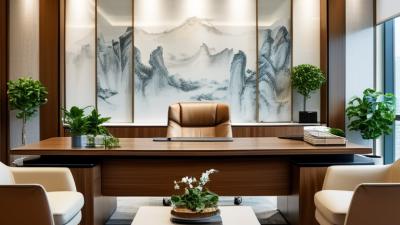
Creating a productive work environment hinges on several key elements that can significantly enhance overall performance. A proper workspace layout that avoids clutter is essential. Desks should be organized and equipped with all necessary tools. Natural light is a great booster, as it elevates mood and energy levels. Plants can also make a notable difference, adding life and improving air quality.
Communication plays a vital role in fostering productivity. Open lines of communication encourage collaboration and reduce misunderstandings. Teams should have regular check-ins. This can help maintain focus and motivation. Moreover, a culture of recognition helps individuals feel valued. Celebrating small successes can lead to increased morale.
Flexibility is equally important. Rigid schedules may stifle creativity. Allowing employees some autonomy to manage their time can lead to better outcomes. Moreover, it is necessary to recognize that not every environment works for everyone. Some may require quiet spaces, while others thrive in a more dynamic atmosphere. Balancing these varying needs is a continuous process that requires reflection and adjustment.
Strategies for Designing an Inspiring and Efficient Workspace
Creating an inspiring workspace requires careful thought and design. Start by evaluating your current environment. Look for clutter or distractions. A tidy space can lead to clear thinking. Use plants or artwork to enhance visual appeal. Natural light also plays a vital role. It boosts mood and productivity.
Consider your layout as well. Open spaces can invite collaboration, but some may need solitude. Create a nook for quiet tasks. Adjust the height of your desk to promote comfort. Ergonomic furniture is essential to prevent discomfort. Still, you might find that change can be a challenge. It may take time to adjust to new arrangements and routines.
Lastly, encourage breaks throughout the day. Short walks or stretching can reset focus. Yet, maintaining a balance is tricky. Some might struggle with taking time off from work. Reflect on your habits. A space that promotes mindfulness and effort can lead to better results. A productive environment is a continuous journey, not just a destination.
How to Create a Productive Work Environment for Success?
| Aspect |
Description |
Importance Level (1-5) |
Suggested Improvement |
| Lighting |
Natural and artificial lighting enhances mood and productivity. |
4 |
Incorporate more windows and use adjustable LED lights. |
| Ergonomics |
Proper desk and chair setup prevents discomfort and health issues. |
5 |
Provide adjustable furniture and standing desk options. |
| Noise Control |
Reducing distractions increases focus and efficiency. |
3 |
Install soundproof panels and encourage quiet zones. |
| Personalization |
Allowing personal touches boosts morale and ownership. |
4 |
Encourage employees to decorate their workspaces. |
| Green Spaces |
Plants improve air quality and create a calming atmosphere. |
3 |
Introduce indoor plants and community gardens. |
Implementing Effective Communication Practices for Team Success
Effective communication is essential for team success and can significantly impact productivity. According to a study by McKinsey, improved communication can increase productivity by 20-25%. Teams that communicate well work faster and are more aligned on objectives. Regular updates, transparent feedback, and open dialogue create a culture of trust. This allows team members to voice concerns and celebrate successes together.
Incorporating digital tools can enhance communication. A report from Gartner indicates that 70% of employees feel more engaged when collaboration tools are used effectively. However, not all tools work for every team. Some may find constant notifications overwhelming, leading to communication fatigue. It’s crucial to find a balance and choose tools that fit your team's needs.
Reflecting on communication practices can lead to better outcomes. In many workplaces, employees feel their ideas are not heard. A survey from Gallup found that only 30% of workers feel engaged at work due to poor communication. This highlights the need for managers to actively seek input and facilitate discussions. Achieving a productive work environment starts with fostering open and effective communication.
Employee Communication Effectiveness in Different Work Environments
Monitoring and Adapting the Work Environment for Continuous Improvement
Creating a productive work environment is an ongoing journey. Monitoring and adapting it is key to success. Regularly assessing employee feedback can reveal hidden challenges. Ask your team what works and what doesn’t. This open dialogue fosters trust. It also highlights areas needing improvement.
Observe the physical workspace as well. Is it cluttered? A chaotic desktop can overwhelm. Ensuring a clean, organized space promotes focus. Consider noise levels too. Background chatter can distract. A designated quiet area might help in increasing productivity.
Continuous improvement demands a willingness to change. Even small adjustments can have a big impact. Track productivity metrics over time. If performance dips, investigate the causes. Don’t shy away from making tough decisions about processes. Reflecting on what isn’t working allows for growth. Engaging your team in this journey makes the environment more collaborative.