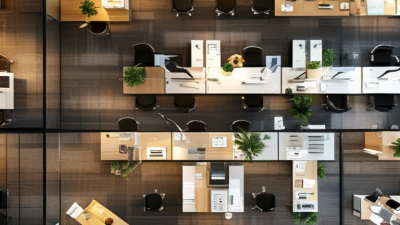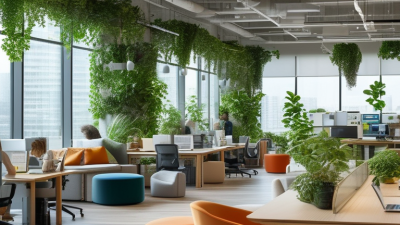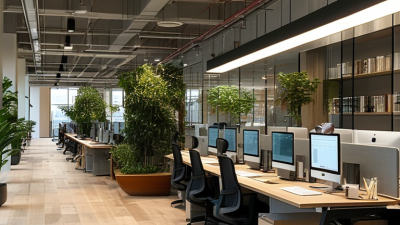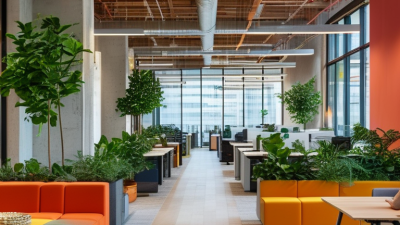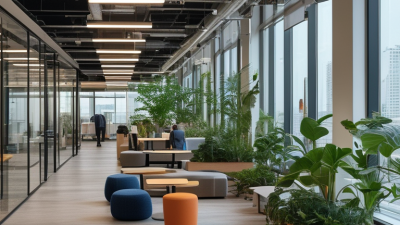























Improving office aesthetics does not require designer furniture or a complete renovation. It requires better decisions about light, color, layout, and daily usability. A 2023 Gensler Research Institute workplace survey found that only a minority of employees considered their workplace highly effective for focused work. This suggests that visual appeal should support performance, not merely create attractive photographs. Good design feels practical.
Budget planning should begin with an honest visual audit. Photograph crowded surfaces, harsh lighting, damaged edges, and unused corners. Then address the most visible problems. A warm desk lamp, cable tray, framed local print, or healthy plant can change a workstation without replacing it. The U.S. Environmental Protection Agency identifies indoor air quality as an important factor in occupant comfort and building performance. Therefore, office aesthetics should include clean ventilation, low-odor materials, and uncluttered circulation.
Small improvements can look surprisingly professional. They can also fail. Matching every object too carefully may create a sterile environment. A slightly imperfect bookshelf, reused timber shelf, or employee-made artwork can add identity. The Leesman Index consistently emphasizes that workplace experience depends on functional support, not decoration alone. This is a useful warning for low-budget projects. Do not spend the entire budget on a feature wall while employees still lack storage or comfortable lighting.
A sensible office aesthetics strategy combines evidence, observation, and restraint. Track employee feedback after each change. Notice whether people use the redesigned areas. Revise what does not work. The best result may feel calm, human, and unfinished in a deliberate way.
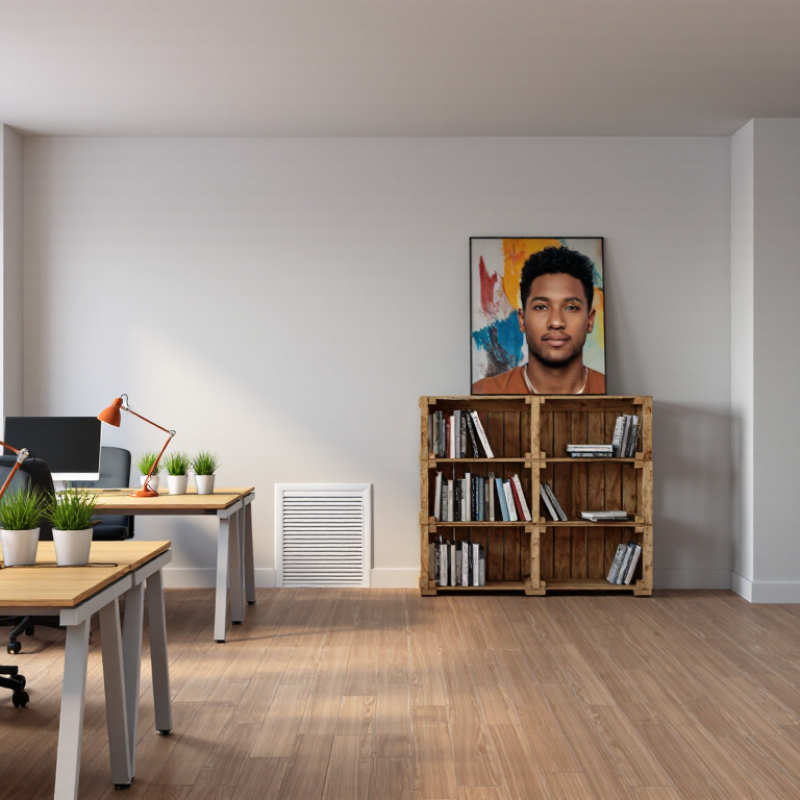
Before buying décor, assess how the office actually works. The U.S. Environmental Protection Agency estimates that people spend about 90% of their time indoors. That makes light, air, noise, and comfort practical priorities, not decorative extras. Walk through the space at three different times. Record glare, cable clutter, echo, unused corners, and employee movement. Ask staff what feels distracting. Their answers may challenge your assumptions.
Set a budget from evidence, not excitement. Measure the floor area and list fixed costs, such as repairs, lighting changes, and storage. Then reserve a small contingency, perhaps 10% to 15%, for price changes or forgotten installation needs. The 2024 Global Office Trends report from the International Facility Management Association highlights rising pressure to make workplaces more flexible and efficient. Aesthetic spending should support those outcomes. Choose movable lamps, washable textiles, and modular storage before fragile ornaments.
Test one zone before changing everything. Use a simple scorecard covering comfort, visual order, privacy, and daily usability. A quiet corner may help more than an expensive feature wall. Small details matter. Yet this approach is not perfect. Staff preferences can conflict, and a neat office may still feel cold. Recheck the space after two weeks, compare feedback with the original notes, and adjust the budget toward improvements people actually use. Cite: U.S. EPA, Indoor Air Quality; IFMA, 2024 Global Office Trends.
| Office Area | Current Assessment | Budget-Friendly Improvement | Estimated Cost (USD) | Visual Impact | Priority |
|---|---|---|---|---|---|
| Entrance and Reception | First impression feels plain and lacks a clear focal point. | Add a framed office mission statement, one large plant, and a tidy document tray. | $125–$250 | High | 1 |
| Lighting | Overhead lighting is functional but creates a harsh, uniform atmosphere. | Replace failed bulbs with consistent neutral-white LED bulbs and add two desk lamps. | $90–$180 | High | 2 |
| Walls and Color | Walls are clean but visually flat and do not reinforce a consistent atmosphere. | Paint one accent wall or add removable artwork in a coordinated color palette. | $120–$300 | High | 3 |
| Workstations | Desks are usable, but visible cables and mixed accessories create visual clutter. | Use cable sleeves, under-desk trays, matching organizers, and a clear-desk routine. | $160–$320 | High | 4 |
| Plants and Natural Elements | The space has limited greenery and feels less welcoming. | Add three low-maintenance indoor plants and simple neutral-colored planters. | $75–$180 | Medium–High | 5 |
| Break Room | The room is clean but lacks comfortable visual details. | Add washable seat cushions, a small wall print, and coordinated storage labels. | $85–$190 | Medium | 6 |
| Meeting Area | Furniture works well, but the room feels generic and lacks visual organization. | Install a whiteboard, add one large framed print, and conceal power cables. | $130–$280 | Medium–High | 7 |
| Storage and Filing | Open shelves contain mixed folders and unused items that distract from the overall design. | Recycle outdated materials, use matching storage boxes, and label shelves consistently. | $60–$160 | Medium | 8 |
| Estimated total for the complete improvement plan | $845–$1,860 | Phased implementation recommended | |||
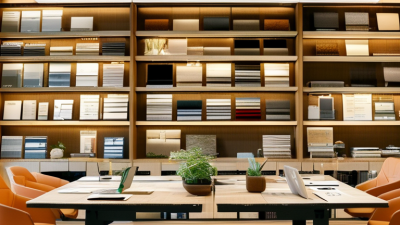
How to Improve Office Aesthetics on a Budget?
Affordable design starts with color, not expensive furniture. Choose one calm base shade, then add a stronger accent wall near reception or collaboration areas. Light, warm colors can make narrow rooms feel more open. Test paint samples under morning and evening lighting. I once chose a gray that looked elegant online but felt gloomy indoors. That mistake taught me to test first.
Materials should work hard and look intentional. Refinished plywood, durable laminate, cork boards, and recycled-fiber acoustic panels can replace costly finishes. Select two or three textures, rather than mixing everything. The U.S. Environmental Protection Agency reports that indoor pollutant levels can be two to five times higher than outdoor levels. Low-emission paints, adhesives, and furnishings therefore support both appearance and workplace comfort. They also reduce unpleasant chemical odors.
Decorative details create character without consuming the budget. Use framed process sketches, local photography, fabric pinboards, and healthy low-maintenance plants. Group items in small clusters, leaving some empty wall space. The World Green Building Council’s Health, Wellbeing and Productivity in Offices report links better indoor conditions with productivity improvements of up to 11 percent. That figure does not justify every decorative purchase. A beautiful plant wall may still become expensive clutter. Review each element after a month, and remove what workers ignore.
Estimated cost for a practical refresh of a 1,000 sq. ft. office, using affordable colors, materials, and decorative elements.
A budget-conscious design can prioritize paint and lighting for the largest visual improvement, while using durable flooring accents and a small number of decorative elements to create a more welcoming workspace.
Good office lighting can change how expensive a room feels. In my experience, the biggest improvement came from removing glare, not buying brighter lamps. Place desks near windows when possible, but keep monitors at a right angle to the glass. This reduces reflections and makes natural light more comfortable. Use layered lighting: soft ceiling light, focused desk lighting, and gentle illumination near darker walls. Neutral bulbs usually create a calm, professional atmosphere. Test them at different times of day.
Furniture arrangement also affects visual appeal and daily movement. Keep a clear path between the entrance, workstations, and shared areas. Desks should face consistent directions where practical, creating a cleaner visual rhythm. Leave breathing space around large furniture. A crowded corner can make the entire office feel smaller. Low cabinets can divide zones without blocking light. Add one or two plants for texture, but avoid turning every surface into storage.
My first arrangement looked balanced on paper but felt awkward in practice. People walked behind seated workers, causing constant distraction. I moved the desks and observed the room for a week. That adjustment worked better, although the layout still is not perfect. Measure walkways, notice shadows, and ask employees where discomfort begins. Small changes, such as rotating a desk or raising a lamp, often improve the room without increasing the budget. Practical testing matters more than decoration alone.
A pleasant office does not require expensive furniture. In a small office I helped refresh, we started with three hardy plants near the windows. Their different heights created depth without blocking natural light. We used simple clay pots and placed one plant beside the reception desk. Keep it simple. Watering schedules prevented neglected leaves and damp soil. Still, one plant struggled because the room became cold at night. That mistake reminded us to check each plant’s light and temperature needs.
Artwork can add character without costly framing. We printed local landscape photographs on thick paper and used inexpensive wooden frames. A narrow picture ledge made changing the display easy. It also avoided putting several holes in the wall. Leave some space. Too many images made our first arrangement feel crowded and distracting. We later grouped three small pieces together, leaving clear wall space around them. The room immediately felt calmer.
Personal details can make shared areas feel welcoming. A small tray held pencils, notebooks, and a few handwritten thank-you cards. In the meeting room, staff contributed one meaningful object, such as a ceramic cup or travel photograph. These details encouraged conversation, but personal items need boundaries. One desk became cluttered with souvenirs and reduced working space. We removed a few pieces rather than buying storage. That choice was less attractive at first, yet it made the office easier to use. Good design sometimes means editing what you already own.
A stylish office does not require a large renovation budget. In my experience, the biggest improvement often comes from removing visual noise. Clear one crowded shelf, then group remaining items by use and color. A clean desk surface makes older furniture feel intentional. Use warm, consistent lighting where possible. A movable lamp can soften harsh ceiling light without changing the wiring. Keep one useful detail visible, such as a calendar or pencil cup.
Refresh walls with low-cost prints, staff sketches, or photographs from local projects. Choose a limited color range, such as charcoal, cream, and muted green. Repeating two or three tones creates visual order. Plants can add life, but select varieties that match the available light and watering routine.
I once placed a plant in a dim corner. It declined quickly. It looked decorative for a week, then became another maintenance task. Honest planning matters more than decoration.
Rearrange chairs to open walking paths and create a clearer meeting area. Reuse storage boxes with plain paper or fabric covers. Check that every update supports comfort, safety, or daily work. Cheap changes can still feel careless when cables remain tangled or surfaces become difficult to clean. Ask colleagues what distracts them before buying anything. Their answers may challenge your original idea. Test one change for a week, measure its usefulness, and adjust without treating the first plan as perfect.


Paul Downs Cabinetmakers
401 E. 4th St. Bridgeport, PA 19405