Top 5 Modern Workplace Design Trends to Boost Productivity?
As the modern workplace evolves, design has become a key factor in boosting productivity. Experts emphasize this connection. David Gray, a renowned workplace design consultant, states, “A well-designed office can inspire creativity and enhance collaboration.” His insights highlight the importance of thoughtful design.
Modern workplace design focuses on flexibility and comfort. Open spaces, collaborative areas, and quiet zones foster creativity and concentration. Teams thrive in environments that encourage interaction yet offer privacy when needed. This balance is crucial for productivity.
While many offices embrace these trends, challenges arise. Not all designs cater to every employee's needs. Sometimes, even well-intentioned layouts can create distractions. Reflecting on these aspects can lead to more effective and personalized spaces in the future.
Emerging Trends in Modern Workplace Design for Increased Productivity
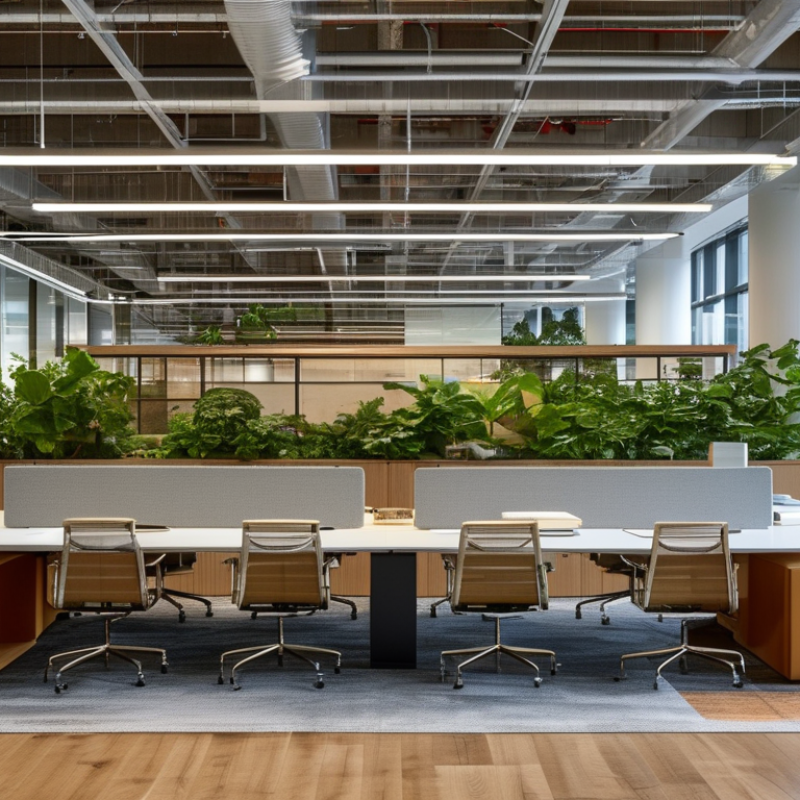
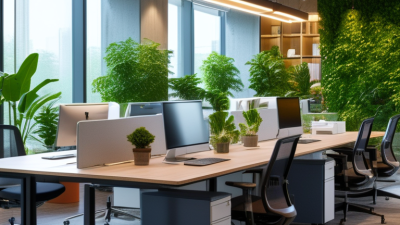
In today's fast-paced work environment, modern workplace design plays a crucial role in boosting productivity. One noticeable trend is the incorporation of biophilic elements. Offices that integrate natural light, plants, and water features can create a calm, refreshing atmosphere. By bringing nature indoors, employees often experience reduced stress and improved focus. However, it's essential to balance greenery with functionality, as too much clutter can hinder workflow.
Another emerging trend is flexible workspaces. Open areas with movable furniture allow teams to adapt their environment to suit different tasks. Yet, the challenge here lies in maintaining a noise-free zone. While collaboration is encouraged, distractions can impede individual work. Companies must consider noise-canceling solutions or designated quiet areas to strike a balance between collaboration and concentration.
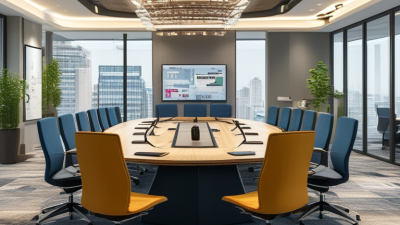
Technology integration is also paramount. Smart buildings equipped with advanced tools can streamline processes and enhance collaboration. However, reliance on technology may lead to over-dependence. An occasional technical failure can disrupt productivity. Establishing backup systems and fostering digital skills is crucial for resilience in a tech-driven workspace. These thoughtful design elements contribute to increased productivity but require ongoing reflection and adjustment.
Top 5 Modern Workplace Design Trends to Boost Productivity
The Role of Open Spaces in Fostering Collaboration Among Employees
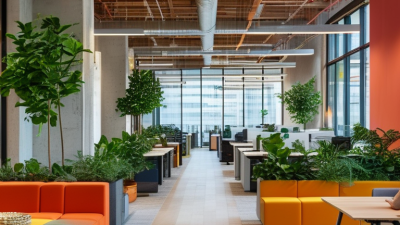
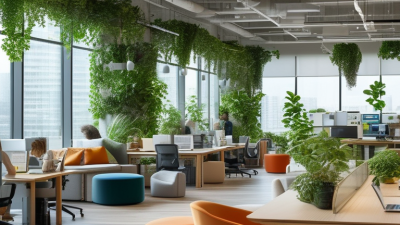
Open spaces have become a hallmark of modern workplace design. They encourage collaboration among employees. This layout fosters a sense of community. When people work together, ideas flow more freely. You can often see groups brainstorming in huddle zones or gathering around communal tables. This casual setting breaks down hierarchical barriers. Employees feel less intimidated to share their thoughts.
However, it's essential to find a balance. Not every task thrives in an open environment. Some projects require deep focus and solitude. Too much noise and distraction can hinder productivity. Companies are learning to create diverse spaces. Quiet zones and private rooms offer balance. Employees can choose where to work based on their tasks.
Collaboration is vital, but it should not come at the cost of concentration. Open spaces should be designed thoughtfully. Incorporating acoustic panels or greenery can help reduce noise. Flexible workstations allow employees to adapt their environment. The goal is to create a setting that supports various working styles. There will always be challenges in designing these spaces. The key is to remain open to feedback and adjustments.
Top 5 Modern Workplace Design Trends to Boost Productivity
| Trend |
Description |
Impact on Productivity (%) |
| Open Spaces |
Promotes spontaneous collaboration among teams. |
25% |
| Biophilic Design |
Incorporates natural elements to reduce stress and enhance focus. |
30% |
| Flexible Workspaces |
Allows employees to choose their work environment for optimal comfort. |
20% |
| Technology Integration |
Utilizes advanced tools to streamline workflows and enhance communication. |
30% |
| Quiet Zones |
Designated areas for focused work, minimizing distractions. |
15% |
Incorporating Technology into Workplace Design for Enhanced Efficiency
In today's fast-paced work environment, technology plays a pivotal role in shaping workplace design. Modern offices are not merely physical spaces but are integrated with advanced tools that enhance productivity. Flexible workstations equipped with smart devices enable seamless collaboration. Employees can connect effortlessly, whether working remotely or in the office. These advancements promote a culture of innovation and efficiency.
Utilizing data analytics in design processes creates responsive workplaces. By assessing employee patterns, companies can adjust the layout according to actual usage. This approach fosters a dynamic atmosphere where employees feel more engaged. However, relying too heavily on technology may create distractions. Technology should support, not overwhelm. Balancing tech integration with human interaction is essential for a harmonious workspace.
Moreover, creating zones with varying tech capabilities allows for focused work and collaboration without constant interruptions. Open spaces equipped with high-tech communication tools promote teamwork. But too much openness can lead to noise and distractions. Designing for adaptability ensures that workplaces evolve alongside technology, meeting the ever-changing needs of employees. Harnessing technology thoughtfully is key to enhancing efficiency and overall workplace satisfaction.
The Importance of Biophilic Elements in Creating a Positive Work Environment
Incorporating biophilic elements in workplace design is essential for fostering a positive work environment. Research shows that environments rich in nature lead to increased well-being and productivity. According to a study from the Human Spaces report, workplaces that include natural elements can improve employee satisfaction by 15%. This connection with nature enhances creativity and reduces stress, which are crucial for maintaining high productivity levels.
Plants, natural light, and outdoor views not only beautify the workspace but also promote healthier lifestyles. A Harvard study indicates that employees in spaces with more natural elements reported lower rates of job-related fatigue. Including greenery and natural materials can create an inviting atmosphere that encourages collaboration and innovation.
Creating biophilic environments requires thoughtful planning. Add indoor plants to office spaces without overwhelming the area. Use large windows to maximize natural light. Incorporate natural textures, like wood and stone, into your décor. These small changes can make a substantial impact. Such adjustments might seem trivial but can stimulate a more engaged and motivated workforce. Regularly assess the effectiveness of these designs, as continuous improvement is key.
Flexible Workstations: Adapting to Diverse Employee Needs and Preferences
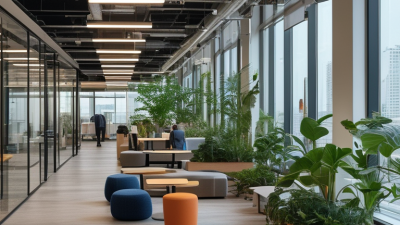
Flexible workstations are becoming essential in modern office design. They allow employees to choose how and where they work. This flexibility caters to different preferences and needs. Some people thrive in quiet areas, while others prefer collaboration spaces.
These adaptable environments can lead to higher productivity. By giving employees choices, they feel more in control. However, not all employees may enjoy constant mobility. Some might find it challenging to adjust to changing workspaces. It's crucial to balance flexibility with consistency. Having a variety of work options helps meet diverse needs.
Creating a successful flexible workstation also involves strategic design. Ergonomics is key; furniture should promote comfort and health. Integrating technology into these spaces is equally important. Outdated tools can hinder productivity, making it hard for employees to complete tasks efficiently. As companies continue to embrace flexible workstations, ongoing feedback from employees will help refine these concepts for better outcomes.